Solar Projects in Pakistan: 7 Lessons From Real 2026 Installs
Every successful rooftop starts as a plan on paper, but the gap between a good plan and a great outcome is where most money is won or lost. Solar projects in Pakistan have matured fast, and 2026 buyers benefit from years of hard-earned field experience. This article distills the lessons that consistently separate high-performing systems from disappointing ones.
Whether you manage a home, a factory, or a school, the fundamentals are the same. Get the design right, choose durable hardware, and hold your installer to a real standard. Here is what that looks like in practice.
Lesson 1: Solar Projects in Pakistan Live or Die on Design
A brilliant panel on a badly designed array still underperforms. Shading from a single water tank, a poorly angled roof, or an undersized inverter can quietly erase a fifth of your expected output. Great solar projects in Pakistan begin with a proper site survey and honest energy modeling.
Ask your provider to show you the projected generation curve for your specific location. If they cannot model your roof against local irradiance data, they are guessing, and guesses cost you money for 25 years.
What makes a design future-proof?
Leave headroom. Families add air conditioners, businesses add machines, and electric vehicles are arriving. A design that allows for expansion, whether through spare inverter capacity or an extendable structure, protects your investment as your needs grow.
Lesson 2: Match the System to the Use Case
Residential, commercial, and agricultural projects each behave differently. A factory with daytime load benefits enormously from a simple on-grid system, while a rural farm may need hybrid storage to run tube wells reliably.
- Residential — prioritize net metering and quiet, compact hardware.
- Commercial — target daytime self-consumption for the fastest payback.
- Agricultural — focus on rugged mounts and pump-friendly inverters.
- Institutional — plan for monitoring across multiple buildings.
You can explore a range of completed solar projects in Pakistan to see how design choices change across these categories.
Lesson 3: Hardware Quality Compounds Over Time
A cheap component saves money once but can cost you repeatedly. Inverters are the brain of the system, and a failure means zero generation until it is replaced. Panels degrade slowly, so a half-percent difference in annual degradation adds up to real kilowatt-hours over two decades.
This is why choosing an established solar company in Pakistan matters more than chasing the lowest quote. Continuity of support is what turns a warranty into a promise you can actually collect on.
System type comparison
| System Type | Battery | Backup During Outage | Best Fit |
|---|---|---|---|
| On-grid | No | No | Daytime-heavy loads, fastest ROI |
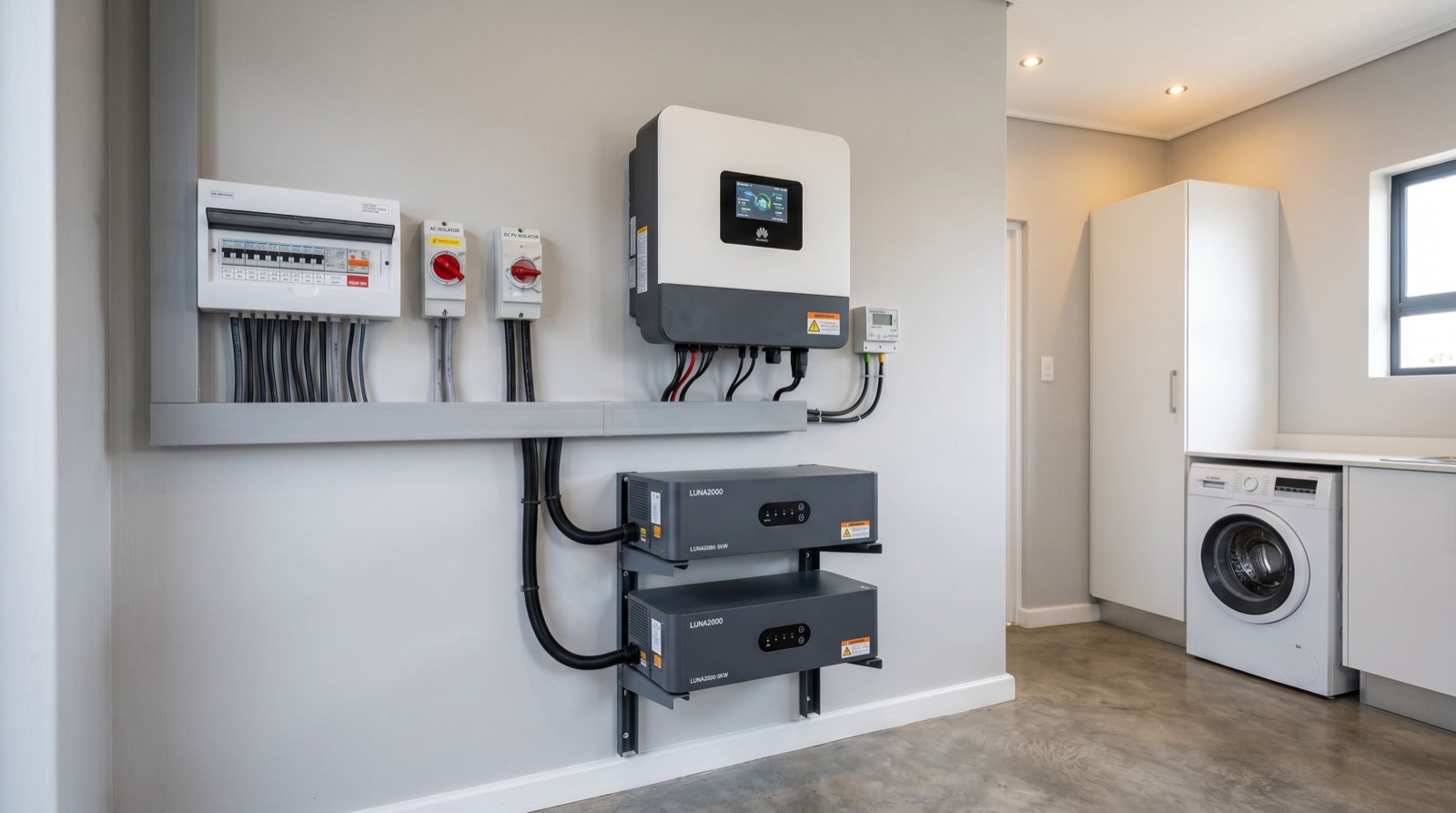
| Hybrid | Yes | Yes | Homes needing outage protection |
| Off-grid | Yes (large) | Full | Remote sites with no grid access |
Lesson 4: Paperwork Is Part of the Project
Net metering unlocks the full financial case, yet incomplete applications stall countless installs. A seasoned team treats DISCO documentation as a core deliverable, not an afterthought handed back to the customer.
The National Electric Power Regulatory Authority sets the framework distribution companies follow, so working with an installer who tracks these rules keeps your project compliant and your credits flowing.
Lesson 5: Installation Craft Is Visible
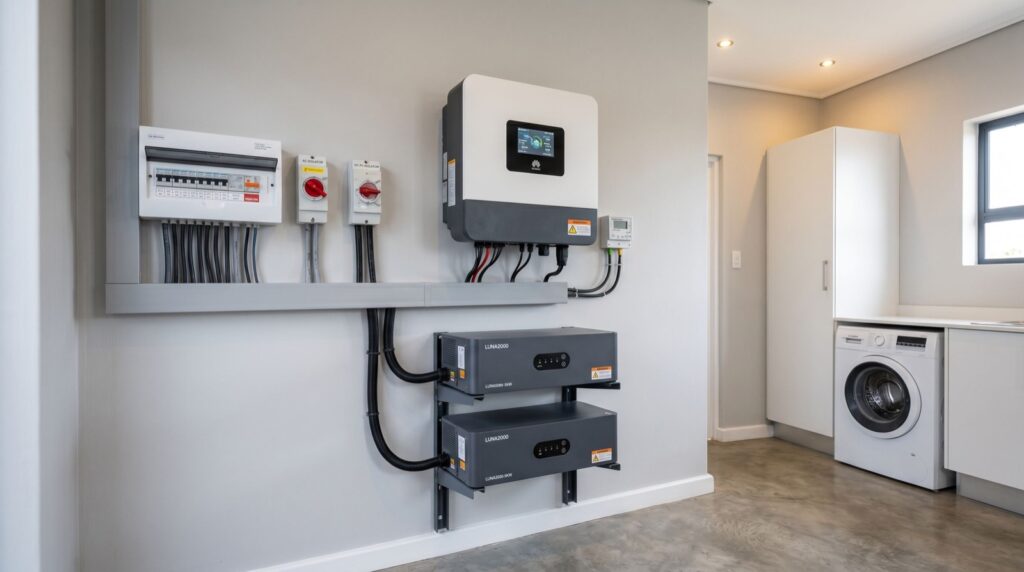
Walk any rooftop and you can read the quality of the crew in minutes. Neat cable runs, sealed roof penetrations, labeled breakers, and secure earthing all signal a team that cares. Sloppy work invites leaks, faults, and safety risks.
- Confirm the mounting is rated for local wind loads.
- Check that DC cabling is UV-resistant and properly routed.
- Verify surge protection and earthing are in place.
- Demand a commissioning report with test readings.
When you engage quality service providers, hold them to this checklist and you will avoid the most expensive rework.
Lesson 6: Monitoring Turns Data Into Savings
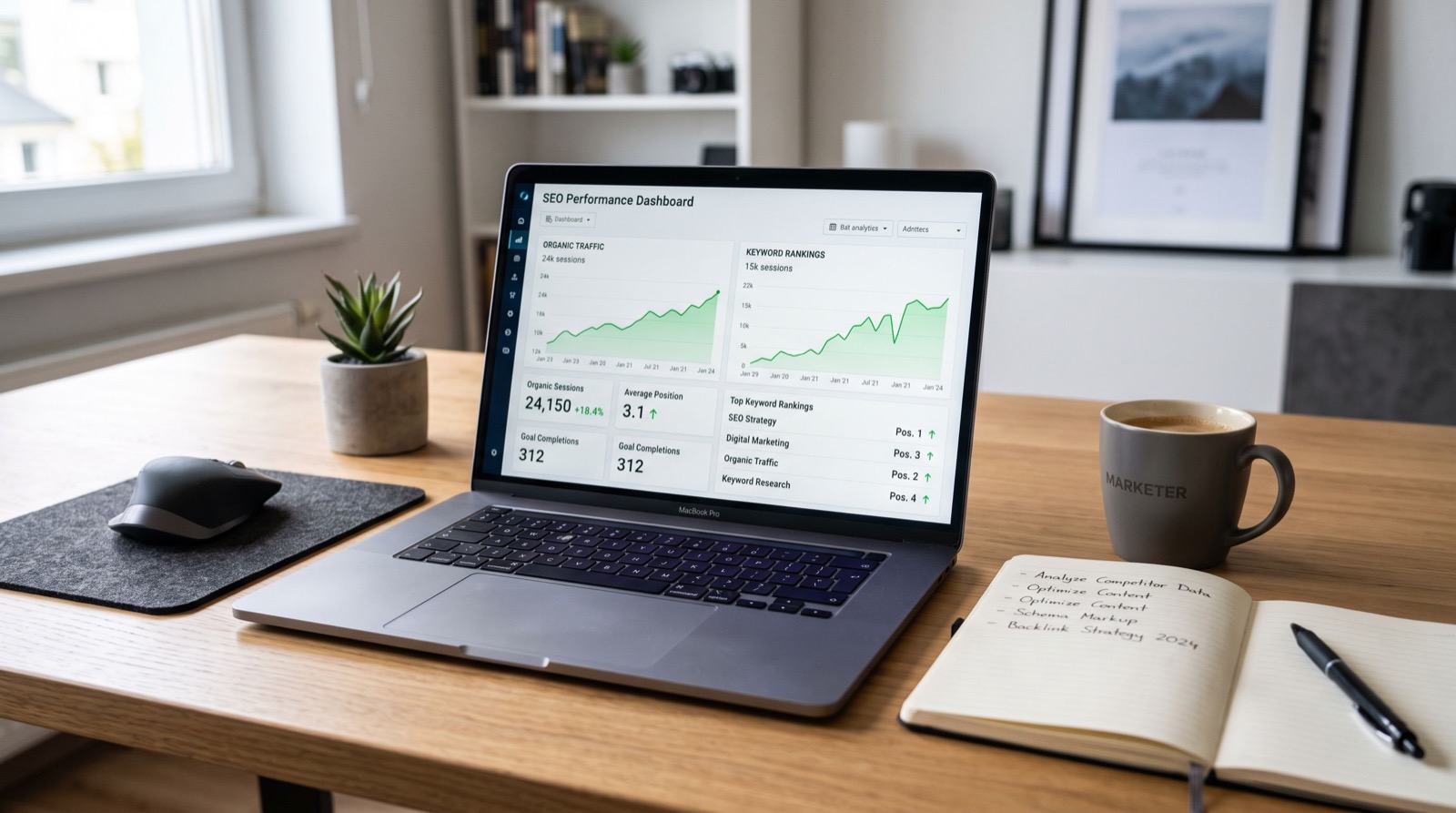
You cannot improve what you cannot see. Modern inverters stream production data to an app, letting you spot a failing string or a dirty panel before it drains months of output. Insist that monitoring is configured and explained at handover.
How often should you check performance?
A quick monthly glance is enough for most homes. Compare your generation against the seasonal expectation, and investigate any sustained dip. Commercial sites benefit from weekly reviews given the larger financial stakes.
Lesson 7: Choose a Partner, Not a Vendor
The best solar projects in Pakistan come from relationships that outlast the install day. You want a team that answers when you call in year three, honors warranties without drama, and helps you expand when your needs grow.
Red Flags to Watch For in a Quote
A polished brochure can hide a weak offer. Before you sign, scan any proposal for the warning signs that separate serious providers from opportunists.
- Vague hardware — a quote that will not name exact panel and inverter models.
- No generation estimate — no projected units means no accountability.
- Missing net-metering support — leaving the paperwork entirely to you.
- Undefined warranty terms — verbal promises with nothing in writing.
- Pressure tactics — a discount that expires today is usually a red flag.
A confident provider welcomes these questions. If a vendor bristles when you ask for specifics, treat that reaction as valuable information about how they will behave after installation.
How Real Projects Deliver Long-Term Value
The financial story of solar is not the install-day invoice; it is the two decades that follow. A thoughtfully engineered project keeps generating close to its rated output year after year, quietly compounding your savings.
Consider a commercial rooftop that offsets daytime consumption. Every unit produced replaces a unit that would have been billed at a rising commercial tariff, so the value of each kilowatt-hour actually grows as grid prices climb.
What ongoing costs should you expect?
Solar is refreshingly low-maintenance, but it is not zero. Budget for occasional panel cleaning, a periodic wiring inspection, and an eventual inverter replacement somewhere around the decade mark. These modest costs are tiny against the savings a well-run project delivers.
Keeping records helps. Logging your monthly generation gives you a baseline, so any future dip stands out immediately and gets fixed before it eats into your returns.
Frequently Asked Questions
How long do solar projects in Pakistan take to complete?
A typical residential install runs one to three days on site, while net-metering approval adds a few weeks. Larger commercial projects scale accordingly with design and procurement time.
What is the payback period in 2026?
Most well-designed systems recover their cost in three to five years, after which generation is effectively free for the remaining warranty life.
Can I expand a system later?
Yes, if it is designed for it. Choosing an inverter with spare capacity and an extendable structure makes future expansion straightforward.
Do commercial projects need batteries?
Not usually. Businesses with strong daytime consumption often maximize savings with an on-grid system and skip battery costs entirely.
Final Thoughts
Solar projects in Pakistan reward careful planning far more than aggressive cost cutting. Nail the design, insist on quality hardware and craftsmanship, and treat paperwork and monitoring as part of the deliverable. Do that in 2026, and your project becomes a decades-long asset rather than a source of regret. Choose your partner wisely, and the returns take care of themselves.